
Know Who Really Decides, Before It Costs You→ CLARITY
Stepping into a new marketing leadership role means walking into a stakeholder map nobody handed you.
I help you read the room, build trust with your team, and find steady footing in your first 100 days.
You leave with a clear read on your new team, not a lingering guess.
You'll know who actually influences decisions on your team, not just who talks the most in meetings.
You'll walk into one-on-ones and stakeholder conversations with a settled, steady presence instead of second-guessing your tone.
You'll build trust with your new team early, on your own terms, instead of waiting for a misstep to force the issue.

This is for marketing leaders who just started a new role and are still working out who really holds influence on the team. If you're stuck between over-preparing and second-guessing, this is built for exactly that moment.
You've stepped into a Marketing Director role and inherited a team and stakeholders you didn't choose.
You want to read the room fast, without waiting for a misstep to teach you the hard way.
You've moved into a VP marketing seat and the informal hierarchy isn't obvious yet, especially in a hybrid setup.
You want a steady, confident presence early on, instead of swinging between overpowering and invisible.
You've taken on a CMO role inside a team that's just been reorganized, and the reporting lines still feel unsettled.
You want to build trust with this team on your own terms, before doubts have a chance to set in.
I help newly appointed marketing leaders read their new team and find their footing in the first 100 days.
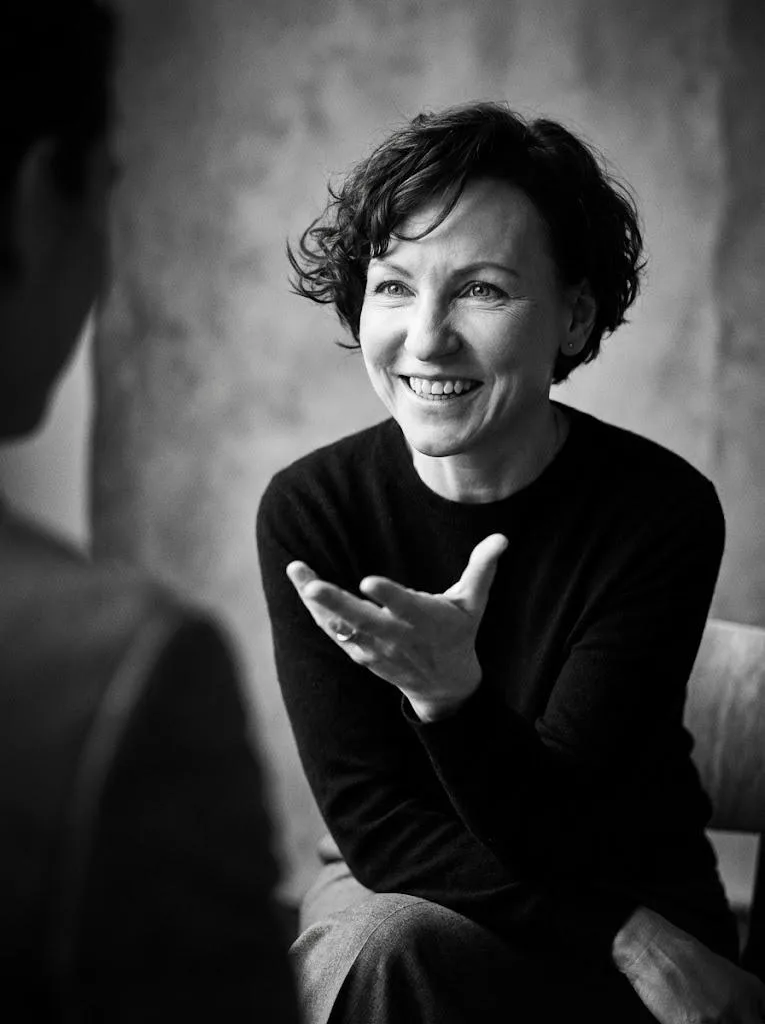
Here is a draft of the content for your website's My Story section.
I spent over 20 years building brands from the inside, in senior marketing leadership roles including VP Strategic Marketing at Groupe SEB and VP Strategic Marketing and Product Development at WMF Group.
Before those roles, I held Marketing Director and category leadership positions at Groupe SEB and Wrigley/Mars.
Every one of those moves meant walking into a new team, a new set of stakeholders, and a reporting line I hadn't mapped yet.
I know what it feels like to sit in the first few meetings, nodding politely, while quietly trying to figure out who actually holds the influence in the room.
Over time, I learned to read those dynamics faster — not by guessing, but by mapping them deliberately.
People who work with me tell me I make messy stakeholder situations bearable, and that I help them see how they're coming across to new colleagues before it becomes a problem.
I eventually left corporate to build more meaningful work, and I now mentor marketing leaders through the exact transitions I went through myself, one-on-one, with real stakeholder maps and real open questions — not generic advice.
Focused 1:1 mentoring for the two moments that make or break a marketing leadership career.

First 100 Days: From Reading The Room To Leading It
In the first weekly session of month one, you and your mentor build a stakeholder and team interaction map so you start naming who actually holds influence instead of guessing.
Using a narrative and positioning framework, you work through how you want to come across to new colleagues, so early meetings feel less like guesswork and more like a deliberate choice.
As real questions come up week to week, you bring them into the weekly sessions and, from month two, into twice-monthly sessions using an open-question agenda. This keeps the work tied to what's actually happening with your team, not a generic script.
By the later sessions, you and your mentor revisit the stakeholder map and your positioning to see what's held up and what's shifted, giving you a clearer read on where you stand with the team going forward.
One Interview Story, Tested Across Three Prep Sessions
In the first session, you work through your leadership narrative and align your CV and LinkedIn so they say the same thing.
In the second session, you run a mock interview built on likely panel questions and a scan of the specific panel you're facing.
In the third session, you debrief the mock interview, sharpen weak spots, and lock in the story you'll bring to the real panel.
First 100 Days: From Reading The Room To Leading It
In the first weekly session of month one, you and your mentor build a stakeholder and team interaction map so you start naming who actually holds influence instead of guessing.
Using a narrative and positioning framework, you work through how you want to come across to new colleagues, so early meetings feel less like guesswork and more like a deliberate choice.
As real questions come up week to week, you bring them into the weekly sessions and, from month two, into twice-monthly sessions using an open-question agenda. This keeps the work tied to what's actually happening with your team, not a generic script.
By the later sessions, you and your mentor revisit the stakeholder map and your positioning to see what's held up and what's shifted, giving you a clearer read on where you stand with the team going forward.
Why This Works
I've stepped into unfamiliar teams and reporting lines more than once, across Groupe SEB, WMF Group, and Wrigley/Mars.
That means I'm not guessing what your first weeks feel like — I've mapped stakeholders from scratch myself, more than once.
People tell me I bring clarity to messy stakeholder maps, which is exactly the skill your first 100 days demand.
I help you see who's actually driving decisions, not just who's speaking the most in meetings.
My approach stays grounded and specific to your actual team and your actual stakeholders, not generic leadership advice.
Three focused 1:1 online sessions before your interview.
You start by describing the role, the company, and what you know about the panel, so the sessions ahead are built around your actual situation, not a generic script.
Together you scan the panel profile and likely questions for this specific interview, then agree on what the three sessions need to focus on.
Across three 1:1 sessions, you work through your leadership narrative, align your CV and LinkedIn to match it, and run a mock interview built on the likely questions.
Between sessions, you rehearse the story and answers on your own, using the debrief notes from the mock interview to sharpen what didn't land yet.
The last session debriefs the mock interview in detail and locks in the story, CV, and LinkedIn you'll walk into the real panel with.
These are example reflections of what clients in similar situations might say.
READY TO STOP GUESSING WHO HOLDS THE ROOM?
Book a call to talk through your first weeks and where you need the clearest read.